
Warning Signs of a Brain Aneurysm Many People Miss
6 min. read
Baptist Health Brain & Spine Care
A ruptured brain aneurysm is a medical emergency that can cause a life-threatening type of stroke known as a subarachnoid hemorrhage. Although brain aneurysms are relatively common, most never rupture or cause symptoms. The challenge is recognizing the warning signs that require immediate medical attention while understanding that not every headache is cause for alarm.
During Brain Aneurysm Awareness Month, experts at Baptist Health explain what brain aneurysms are, who is most at risk and which symptoms should never be ignored.
"The most important thing for people to understand is that most headaches are not caused by a brain aneurysm," says Vitaly Siomin, M.D., director of cerebrovascular surgery and co-director of skull base surgery at Baptist Health Miami Neuroscience Institute. "However, when someone experiences a sudden, explosive headache unlike anything they've had before, they should seek emergency medical care immediately."
What Is a Brain Aneurysm?
A brain aneurysm is a weakened area in the wall of an artery in the brain that balloons outward. As blood flows through the vessel, pressure can cause the weakened spot to bulge.
Many aneurysms remain small and never rupture. In fact, many people have an aneurysm for years without knowing it because it causes no symptoms.
Problems occur if an aneurysm leaks or ruptures. When this happens, blood spills into the space surrounding the brain, causing a hemorrhagic stroke. This condition requires immediate treatment and can quickly become life-threatening.
"An unruptured aneurysm is often discovered incidentally during brain imaging performed for another reason," says Brian Snelling, M.D., director of cerebrovascular and endovascular neurosurgery at Marcus Neuroscience Institute, part of Baptist Health. "The goal is identifying which aneurysms are at higher risk for rupture and determining whether preventive treatment is appropriate."
Warning Signs People Often Miss
One reason brain aneurysms are so frightening is that many produce no symptoms until they rupture. However, in some cases, an enlarging aneurysm can press on nearby nerves or brain structures and cause warning signs.
These symptoms may include:
- Persistent pain above or behind one eye
- Double vision or blurred vision
- A drooping eyelid
- Dilated pupil
- Numbness or weakness on one side of the face
- Difficulty focusing vision
These symptoms do not necessarily mean someone has an aneurysm, but they should be evaluated promptly by a healthcare provider.
"Aneurysms can occasionally produce symptoms before they rupture because of their size or location," Dr. Siomin explains. "Changes in vision, facial weakness or new neurological symptoms deserve prompt medical evaluation."
The Headache That Should Never Be Ignored
The classic symptom of a ruptured brain aneurysm is what physicians call a thunderclap headache. Unlike a migraine or tension headache that gradually worsens, a thunderclap headache reaches maximum intensity within seconds.
People often describe it as:
- The worst headache of their life
- A sudden explosion of pain
- Feeling as though they were struck in the head
Additional symptoms often accompany the headache, including:
- Nausea and vomiting
- Neck stiffness
- Sensitivity to light
- Blurred vision
- Confusion
- Difficulty speaking
- Loss of consciousness
- Seizures
"A sudden, severe headache that reaches maximum intensity almost immediately is very different from the headaches most people experience," Dr. Snelling says. "When that occurs, especially if it's accompanied by neurological symptoms, it should be treated as a medical emergency."
Could It Be Just a Migraine?
Migraines can also be extremely painful, making it difficult for many people to tell the difference.
Migraines typically develop more gradually and often include symptoms such as sensitivity to light, nausea or visual disturbances. Many people with migraines also have a history of recurring episodes.
A ruptured aneurysm, by contrast, usually causes a headache that is sudden, explosive and entirely different from previous headaches.
If someone experiences a headache unlike any they have ever had before, experts recommend seeking emergency evaluation rather than assuming it is another migraine.
"People know their own bodies," Dr. Siomin says. "If a headache feels dramatically different from anything you've experienced previously, it's safest to have it evaluated immediately."
Who Is at Higher Risk?
Although brain aneurysms can occur in anyone, certain factors increase the likelihood of developing one or experiencing a rupture.
Risk factors include:
- High blood pressure
- Cigarette smoking
- Family history of brain aneurysms
- Previous aneurysm
- Increasing age
- Female sex
- Certain inherited connective tissue disorders
- Polycystic kidney disease
Smoking and uncontrolled hypertension are among the most important modifiable risk factors.
"Controlling blood pressure and avoiding tobacco are two of the most effective ways people can reduce their risk," Dr. Snelling says. "These lifestyle changes benefit not only the brain but the entire cardiovascular system."
When Should Someone Be Screened?
Routine screening is not recommended for everyone. However, screening may be appropriate for people with a strong family history, particularly if two or more first-degree relatives have had brain aneurysms or aneurysm rupture.
Depending on an individual's risk profile, physicians may recommend imaging tests such as:
- Magnetic resonance angiography (MRA)
- Computed tomography angiography (CTA)
These specialized scans allow doctors to examine blood vessels in the brain without invasive surgery.
"Screening decisions should always be individualized," Dr. Siomin says. "We look carefully at family history, medical conditions and the patient's overall risk before recommending imaging."
How Are Brain Aneurysms Treated?
Treatment depends on several factors, including:
- The size of the aneurysm
- Its location
- The patient's age
- Overall health
- Risk of rupture
Small aneurysms with a very low risk of rupture may simply be monitored with periodic imaging. Higher-risk aneurysms may require preventive treatment before rupture occurs.
Today's treatment options include:
Endovascular procedures: Through a tiny catheter inserted into an artery, specialists can place coils, stents or flow-diverting devices inside the aneurysm to reduce blood flow and strengthen the vessel.
Microsurgical clipping: Neurosurgeons place a small metal clip across the neck of the aneurysm, preventing blood from entering it.
Modern advances have dramatically improved outcomes, and many patients recover well after treatment when aneurysms are identified before rupture.
"Treatment has become increasingly sophisticated," Dr. Snelling says. "We now have multiple minimally invasive options that allow us to tailor therapy to each patient's anatomy and individual risk."
When Every Minute Counts
A ruptured aneurysm is a true medical emergency.
Call 911 immediately if someone develops:
- A sudden, severe headache unlike any previous headache
- Loss of consciousness
- Seizure
- Sudden confusion
- Weakness or numbness
- Difficulty speaking
- Double vision
- Severe neck stiffness accompanying a sudden headache
Do not attempt to drive yourself to the hospital if neurological symptoms are present. Emergency medical personnel can begin treatment while transporting the patient to a hospital equipped to manage stroke and cerebrovascular emergencies.
Knowing the Difference Can Save a Life
Persistent concern about headaches has led many people to seek answers online, but recognizing the difference between common headaches and symptoms of a potentially life-threatening condition remains essential.
"We don't want people to panic every time they develop a headache," Dr. Siomin says. "At the same time, recognizing the hallmark symptoms of a ruptured aneurysm and acting quickly can truly save a life."
Fortunately, brain aneurysms are uncommon, and most headaches are not caused by one. Still, experts emphasize that certain warning signs should never be ignored.
Dr. Snelling agrees that awareness, rather than fear, is the key message.
"Brain Aneurysm Awareness Month is about helping people recognize when symptoms require urgent evaluation," he says. "Prompt diagnosis and rapid treatment give patients the best opportunity for a good recovery if an aneurysm ruptures, and identifying high-risk aneurysms before they rupture can prevent devastating complications altogether."
Featured Providers
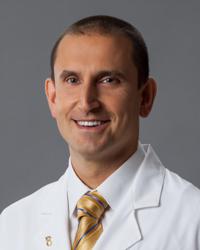
Vitaly Siomin, MD
Vitaly Siomin, M.D., is a board-certified neurosurgeon, director of cerebrovascular surgery and co-director of skull base surgery at Baptist Health Miami Neuroscience Institute.
Dr. Siomin graduated from I.M. Sechenov First Moscow Medical Academy in Russia and completed residencies at Burdenko Neurosurgical Institute in Moscow and the Cleveland Clinic Foundation in Cleveland. He completed fellowships at Tel Aviv-Sourasky Medical Center in Israel, Toronto Western Hospital/University of Toronto and the Cleveland Clinic Foundation.
Dr. Siomin has participated in clinical and basic science research on brain cancer. He has published in medical journals, including the Journal of Neurosurgery, Neurosurgery, Journal of Neuro-oncology, Neoplasia and Pediatric Neurosurgery. He is a member of the Congress of Neurological Surgeons.

Brian Snelling, MD
Brian Snelling, M.D., is a neurosurgeon, director of cerebrovascular and endovascular neurosurgery and director of the stroke program at Marcus Neuroscience Institute, a part of Baptist Health. Dr. Snelling specializes in treating aneurysms, arteriovenous malformations (AVMs), strokes, tumors and other surgical diseases of the brain and spine. He is fluent in English and conversational in Spanish.
Prior to joining Marcus Neuroscience Institute in 2018, Dr. Snelling completed a neurological surgery residency and an endovascular neurosurgery fellowship at Jackson Memorial Hospital and the University of Miami Miller School of Medicine.
He is an expert in performing catheter-based procedures through the radial artery in the wrist, which improves patient safety and recovery. Dr. Snelling has trained hundreds of surgeons in the procedure. He has also published research and presented on the topic at numerous industry events.
Dr. Snelling’s approach to patient care is to treat each patient like a member of his family and ensure they are fully informed about all of their treatment options.
When he is not treating patients, Dr. Snelling enjoys spending time with his family.

Advanced Brain & Spine Care You Can Trust
Related Stories
View All Articles
Dystonia: Neurological Disorder Often Mistaken for Stress or Anxiety
September 23, 2026
6 min. read

