
Silent Symptoms of Poor Circulation Most People Ignore
6 min. read
Baptist Health Heart & Vascular Care
As more people turn to AI (artificial intelligence) tools and online searches to understand unexplained symptoms before scheduling a medical appointment, one condition that is often overlooked is poor circulation. While cold feet or occasional leg cramps may seem like minor inconveniences, they can sometimes signal an underlying vascular disease that deserves medical attention.
Poor circulation occurs when blood cannot flow efficiently through the arteries or veins, reducing the delivery of oxygen and nutrients to tissues throughout the body. Although it is often associated with aging, diabetes or heart disease, circulation problems can affect adults of all ages—especially those who smoke, have high blood pressure, high cholesterol or a family history of vascular disease.
September is National Vascular Disease Awareness Month, a time to remind everyone that many early symptoms of poor circulation are subtle and develop gradually, making them easy to dismiss. Recognizing these warning signs can lead to earlier diagnosis and treatment, potentially preventing serious complications such as limb loss, stroke or heart attack.
Cold Feet, Numbness and Tingling Aren't Always Harmless
Many people assume cold hands or feet are simply a reaction to air conditioning or cooler weather. Others blame tingling or numbness on sitting too long. While these explanations are often correct, symptoms that occur frequently or worsen over time should not be ignored.
"Poor circulation often develops gradually, and many people adapt to the symptoms without realizing that blood flow has become impaired," says Constantino S. Peña, M.D., vascular and interventional radiologist and the system chief of interventional radiology at Baptist Health Heart & Vascular Care. "Persistent coldness, numbness or tingling in the legs or feet deserves a medical evaluation, particularly if the symptoms occur during activity or interfere with daily life."
Reduced blood flow can affect nerves, muscles and skin. As circulation declines, tissues receive less oxygen, leading to sensations such as burning, tingling or heaviness in the legs.
Peripheral artery disease (PAD), one of the most common circulation disorders, occurs when fatty plaque builds up inside arteries, narrowing them and reducing blood flow to the legs. According to the American Heart Association, millions of Americans have PAD, yet many remain undiagnosed because they mistake early symptoms for normal aging.
Leg Pain While Walking Is a Major Warning Sign
One of the hallmark symptoms of poor arterial circulation is claudication—muscle pain or cramping that develops while walking and improves after a few minutes of rest.
The discomfort most commonly occurs in the calves but may also affect the thighs or buttocks, depending on which arteries are narrowed.
"Pain that consistently appears with walking and improves with rest is not simply part of getting older," says Michele L. Taubman, M.D., vascular and endovascular surgeon at Baptist Health Miami Cardiac & Vascular Institute. "That predictable pattern often indicates reduced blood flow to the muscles and should be evaluated before the disease progresses."
Because the symptoms usually disappear quickly after resting, many people simply slow down their activities rather than seek medical care.
Unfortunately, untreated PAD can continue to worsen over time.
Slow-Healing Wounds Can Signal Reduced Blood Flow
Cuts, blisters or sores that take weeks to heal may indicate that tissues are not receiving enough oxygen-rich blood.
Healthy circulation is essential for wound healing because blood carries oxygen, nutrients and immune cells that repair damaged tissue and fight infection.
"When blood flow is compromised, even small injuries may heal much more slowly than expected," Dr. Peña explains. "A sore on the foot that doesn't improve, especially in someone with diabetes, should never be ignored."
People with diabetes are particularly vulnerable because nerve damage may prevent them from noticing injuries until they become serious. Poor circulation also increases the risk of infections and ulcers that may eventually require advanced wound care.
Changes in Skin Color and Temperature
The skin often provides important clues about circulation problems. Affected areas may appear pale, bluish or unusually shiny. Some people notice that one foot consistently feels colder than the other or that hair stops growing on their legs.
The skin may also become thin and fragile because it is not receiving adequate nourishment. These physical changes are important warning signs. "Patients sometimes tell us they assumed their skin changes were simply part of aging," Dr. Peña says. "In reality, changes in skin color, temperature or hair growth can reflect decreased circulation that should be investigated."
These symptoms are especially concerning when they occur alongside leg pain or nonhealing wounds.
Swollen Legs May Point to Vein Problems
Not all circulation problems involve arteries. The veins are responsible for returning blood back to the heart. When vein valves become weakened or damaged, blood can pool in the legs, leading to swelling, discomfort and visible varicose veins.
Symptoms of chronic venous insufficiency may include:
- Leg swelling that worsens later in the day
- Aching or heaviness
- Itching around the ankles
- Skin discoloration
- Varicose veins
- Leg fatigue
"Circulation problems involve both arteries and veins," Dr. Taubman says. "Persistent swelling, heaviness or aching shouldn't automatically be dismissed as standing too long. These symptoms may indicate underlying vein disease that is highly treatable."
Who Is Most at Risk?
Several factors increase the likelihood of developing circulation problems.
These include:
- Smoking
- Diabetes
- High blood pressure
- High cholesterol
- Obesity
- Kidney disease
- Family history of vascular disease
- Older age
- Lack of physical activity
Smoking remains one of the strongest risk factors because it damages blood vessels and accelerates plaque buildup.
People living with diabetes face an especially high risk because elevated blood sugar damages both blood vessels and nerves.
How Doctors Diagnose Poor Circulation
Fortunately, diagnosing circulation problems is often straightforward. Physicians begin with a physical examination and discussion of symptoms and medical history.
One of the simplest tests is the ankle-brachial index (ABI), which compares blood pressure in the ankle with blood pressure in the arm. A lower pressure in the ankle may indicate narrowed arteries.
Additional imaging studies may include:
- Duplex ultrasound
- CT angiography
- MR angiography
- Conventional angiography in selected patients
These tests allow physicians to identify areas where blood flow is restricted and determine the most appropriate treatment.
Treatment Often Starts with Lifestyle Changes
Not every patient requires surgery. In many cases, early circulation problems improve with lifestyle changes and medications.
"Early diagnosis gives patients the greatest opportunity to slow disease progression and avoid serious complications," Dr. Taubman said. "Many people can significantly improve their vascular health by managing blood pressure, controlling cholesterol, quitting smoking and becoming more physically active."
Regular walking programs are particularly effective for patients with PAD because exercise helps the body develop new pathways for blood flow over time.
Medications may also be prescribed to lower cholesterol, reduce blood pressure, control diabetes or prevent blood clots.
For more advanced disease, minimally invasive procedures such as angioplasty, stenting or atherectomy may restore blood flow. Some patients require bypass surgery when arteries are severely blocked.
Don't Let AI Replace Medical Care
AI-powered health searches have made it easier than ever for people to research symptoms from home. While these tools can help individuals become more informed, they cannot diagnose circulation disorders or determine how serious a condition may be.
Many symptoms of poor circulation overlap with arthritis, nerve disorders, muscle injuries and other common conditions. Only a healthcare professional can perform the necessary examination and testing to identify the true cause.
"If symptoms persist, worsen or interfere with walking or daily activities, don't rely solely on online information," Dr. Taubman says. "Seeking an evaluation early can make a meaningful difference in preserving circulation, mobility and overall health."
Featured Providers
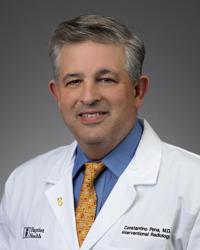
Constantino Santiago Pena, MD
Constantino S. Peña, M.D., is a board-certified vascular and interventional radiologist and the system chief of interventional radiology at Baptist Health Heart & Vascular Care. Dr. Peña specializes in vascular and interventional radiology and interventional oncology, with a focus on minimally invasive, image-guided treatments for cancer and complex vascular conditions.
Dr. Peña earned his medical degree from Yale University School of Medicine, where he graduated cum laude. He completed an internship in internal medicine at Yale-New Haven Hospital, followed by a diagnostic radiology residency at Massachusetts General Hospital. He went on to complete advanced fellowship training in vascular and interventional radiology at Massachusetts General Hospital, where he also served in academic and clinical roles.
With decades of clinical experience, Dr. Peña specializes in image-guided therapies for cancer, including catheter-based and ablative treatments designed to target tumors while preserving healthy tissue. His work emphasizes collaborative, multidisciplinary care, partnering closely with medical oncologists, surgeons and other specialists to develop individualized treatment plans.
In addition to his clinical practice, Dr. Peña is actively involved in academic medicine, research and national leadership. He holds academic appointments at Florida International University Herbert Wertheim College of Medicine and the University of South Florida College of Medicine. He has authored numerous peer-reviewed publications and book chapters and is frequently invited to present at national and international medical meetings.
Dr. Peña’s patient care philosophy is grounded in treating each patient with the same compassion, respect and attention he would want for his own family members. He takes time to listen, build trust and ensure patients feel informed and supported as they navigate complex and often stressful health decisions.
Dr. Peña is fluent in English and Spanish. Outside of work, Dr. Peña enjoys running, biking and traveling with his family.
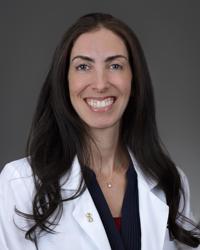
Michele Lynn Taubman, MD
Michele L. Taubman, M.D., RPVI, is a board-certified vascular and endovascular surgeon at Baptist Health Miami Cardiac & Vascular Institute. Her clinical interests include aortic aneurysms, peripheral arterial disease, limb salvage, dialysis access, varicose veins and thoracic outlet syndrome. She also follows patients with carotid disease and offers surgical endarterectomy or transcarotid arterial revascularization, when appropriate.
Dr. Taubman is certified by the American Board of Surgery in general surgery and vascular surgery and by the Alliance for Physician Certification & Advancement as a Registered Physician in Vascular Interpretation.
Committed to advancing the field of vascular surgery, Dr. Taubman is actively involved in research to assess the safety and effectiveness of vascular disease treatments. She has published her work in medical journals and presented at vascular surgery meetings.
Dr. Taubman is an affiliate assistant professor, volunteer faculty, at the University of South Florida College of Medicine. She serves as surgical faculty for the interventional radiology fellowship at Miami Cardiac & Vascular Institute as well as on numerous committees at the Institute. She is a fellow of the American College of Surgeons, councilor for the south region of the Florida Vascular Society and member of the South Florida Society for Vascular Surgery.
Dr. Taubman earned her medical degree at the University of Miami Miller School of Medicine and remained at the university to complete a general surgery residency at Jackson Memorial Hospital, where she served as chief resident. Her clinical training also included a vascular surgery fellowship at Emory University School of Medicine in Atlanta, Georgia. Following her fellowship, Dr. Taubman returned to Miami where she has served patients in the Baptist Health community for more than a decade.
Dedicated to providing patient-centered care, Dr. Taubman enjoys establishing relationships with her patients and their families and working closely with them to achieve their health goals.
Dr. Taubman is fluent in English and Spanish. As a former gymnast, she prioritizes staying healthy and active. Her current pastimes include playing pickleball, traveling and reading.

Expert Heart & Vascular Care for Every Heartbeat
Related Stories
View All Articles
Five Things Cardiologists Wish You'd Start Doing in Your 30s
September 29, 2026
4 min. read

From Triple Bypass to Full Speed: One Patient's Seamless Road to Recovery
September 29, 2026
10 min. read
Video

Peripheral Arterial Disease (PAD): Eight Early Warning Signs to Watch For
September 28, 2026
8 min. read