
Prostate Cancer Care Today: Earlier Detection, Better Treatment, Fewer Side Effects
21:40
Baptist Health Cancer Care
Host: Willard Shepard, award-winning journalist
Published: September 14, 2026
Host: Willard Shepard, award-winning journalist
Published: September 14, 2026
What does a prostate cancer diagnosis really mean — and how do you know when screening or treatment is needed? Prostate cancer is common, but not every case carries the same risk, and today’s diagnostic tools and treatment options can help men make more informed decisions while protecting quality of life.
In this episode of Baptist Health Talk, host Willard Shepard speaks with urologist and surgical oncologist Dr. Manuel Ozambela of Baptist Health Herbert Wertheim Cancer Institute about prostate cancer screening, diagnosis and the technology changing how the disease is treated.
- Why prostate cancer often causes no symptoms in its early stages
- How PSA testing works and what an elevated PSA may — and may not — mean
- Who may be at higher risk based on family history, genetics and race
- How MRI and targeted biopsy help diagnose prostate cancer
- How robotic surgery, HIFU and IRE are expanding treatment options
- How PSMA imaging helps doctors determine where cancer is located
- How AI is beginning to improve prostate imaging and treatment planning
- Why preserving urinary and sexual function is an important part of treatment
The takeaway: knowing your personal risk, talking with your physician and staying current with screening can help detect prostate cancer earlier — when more treatment options may be available.
Host:Willard Shepard, award-winning journalist
Guest: Manuel Ozambela, M.D., urologic surgical oncologist at Baptist Health Herbert Wertheim Cancer Institute
Featured Provider
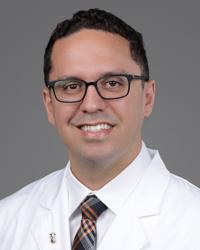
Manuel Ozambela, MD
Manuel Ozambela, Jr., M.D., is a urologic surgical oncologist at Baptist Health Herbert Wertheim Cancer Institute. He specializes in the treatment of cancers that arise from the genitourinary system (urinary and reproductive systems), including kidney, bladder, prostate, testicular and penile cancers. He is fluent in English and Spanish. After earning his medical degree from Harvard Medical School, Dr. Ozambela completed his urologic surgery training at Brigham and Women’s Hospital in the Harvard Program in Urology. He received both the Exceptional Resident Award and the Award in Academic Excellence for his outstanding clinical performance and academic achievements. Prior to joining Baptist Health, Dr. Ozambela completed his fellowship in urologic oncology at the University of Texas MD Anderson Cancer Center. During the fellowship, he worked with a multidisciplinary group of investigators to study rare and aggressive kidney tumors with the goal of identifying novel treatment options. He has authored multiple scientific abstracts, manuscripts and book chapters on various topics in urologic oncology. Through his research, he strives to identify new diagnostic and treatment options for genitourinary cancers, improve patient recovery after surgery and enhance his patients’ quality of life.Understanding that he often meets patients during significantly stressful moments, Dr. Ozambela takes time to talk through diagnoses and treatment options. Through excellent communication and shared decision-making, he works with his patients to create treatment plans that reflect their individual goals. Dr. Ozambela is a South Florida native and enjoys spending time with his growing family when not taking care of patients.

Compassionate, Expert Cancer Care at Baptist Health
Related Stories
View All Articles
Young Mom on Her Cancer Journey: 'I'm a Breast Cancer Thriver'
October 6, 2026
11 min. read
Video

Ten Years Later, This Breast Cancer Survivor is Embracing Life—and Her New Grandson
October 1, 2026
7 min. read
Video

From Stage 4 Prostate Cancer to Marathon Finish Line: Mario’s Journey of Faith and Perseverance
September 30, 2026
7 min. read