
Peripheral Arterial Disease (PAD): Eight Early Warning Signs to Watch For
8 min. read
Baptist Health Heart & Vascular Care
But recurring pain, cramping or heaviness in the legs—especially when it improves after a few minutes of rest—can be a warning sign of peripheral arterial disease, or PAD.
PAD is a circulatory condition caused by narrowed or blocked arteries, most commonly in the legs and feet. The narrowing reduces the amount of oxygen-rich blood reaching the muscles and tissues.
“Peripheral arterial disease is not just a problem involving the legs,” says Brian Schiro, M.D., a vascular and interventional radiologist at Baptist Health Miami Cardiac & Vascular Institute who also serves as program director of the FIU/Baptist Health Interventional Radiology Residency Program and associate professor at Florida International University Herbert Wertheim College of Medicine. “It tells us that plaque is building up in the arteries and may also be affecting the blood vessels supplying the heart and brain.”
That makes PAD an important warning sign for a person’s overall cardiovascular health. Without proper management, the disease can limit mobility, interfere with wound healing and increase the risk of heart attack, stroke, serious infection and limb loss.
What Causes PAD?
PAD most often develops because of atherosclerosis, the gradual accumulation of fatty deposits, or plaque, inside the arteries. As plaque builds up, the passageway through which blood travels becomes narrower.The condition affects an estimated 12 million adults in the United States, but many people don’t even know they have it. Some have no noticeable symptoms, while others gradually reduce their activity to avoid discomfort.
“A patient may stop taking long walks, avoid the stairs or become less active without realizing that leg pain is driving those decisions,” says Eileen de Grandis, M.D., vascular surgeon with Baptist Health Heart & Vascular Care, medical director of the Vein Program at Baptist Health and associate program director for Surgery and affiliate professor at Florida Atlantic University. “Because the change happens gradually, people may assume it is simply part of aging when they are not. As a result, patients do not know that what they have may be very treatable with medications, endovascular or open surgery.”
Risk rises after age 50 and increases significantly among older adults. Factors that make PAD more likely include:
• Current or previous tobacco use
• Diabetes
• High blood pressure
• High cholesterol
• Chronic kidney disease
• A family history of early cardiovascular disease
• A personal history of heart disease or stroke
Smoking and diabetes are especially concerning because both can damage blood vessels and interfere with the body’s ability to heal wounds.
PAD can affect anyone, but it may be underdiagnosed in women, who do not always develop classic symptoms. Black adults also experience higher rates of PAD and are more likely to develop serious complications, including limb loss.
Recognizing the Eight Warning Signs of PAD
The most familiar symptom of PAD is claudication—pain, cramping, heaviness, fatigue or weakness that develops in the calf, thigh or buttock during activity and improves with rest. The discomfort occurs because working muscles need more oxygen, but narrowed arteries cannot deliver enough blood to meet that demand.Seven other possible warning signs of PAD include:
• Numbness or persistent coldness in one foot or lower leg
• Weak or absent pulses in the feet
• Changes in skin color or temperature
• Loss of hair on the legs or feet
• Sores or ulcers that heal slowly or do not heal
• Pain in the foot or leg while resting, particularly at night
• Erectile dysfunction in some men
People with diabetes or nerve damage may not experience typical pain, making changes in the skin, feet or toenails especially important to notice.
“Any wound on the foot that is not healing deserves attention, especially in someone with diabetes, a smoking history or known cardiovascular disease,” Dr. de Grandis says. “Waiting too long can allow a manageable circulation problem to progress to chronic infections and ulcers, with associated severe functional debility and loss of independence, and in extreme cases even amputation.”
Pain at rest, a foot that suddenly becomes cold or pale, rapidly worsening discoloration or a nonhealing wound should be evaluated promptly, she adds.
How PAD Is Diagnosed
Evaluation usually begins with a medical history and physical examination. A vascular specialist may check the temperature, color and pulses in the legs and feet and ask when symptoms occur.
A common first test is the ankle-brachial index, or ABI. This simple, noninvasive test compares blood pressure measured at the ankle with blood pressure measured in the arm. A lower pressure at the ankle may indicate reduced circulation.
Additional testing may include:
• Duplex ultrasound, which uses sound waves to evaluate blood flow and locate narrowed arteries.
• CT or MR angiography, which provides a detailed map of the blood vessels.
• Catheter-based angiography, which allows specialists to see an artery from the inside and may be performed together with a minimally invasive treatment.
“Most patients can begin with testing that is quick, painless and highly informative,” Dr. Schiro says. “More advanced imaging helps us determine exactly where the blockage is and whether restoring blood flow through an intervention would improve the patient’s symptoms or protect the limb.”
Treating the Whole Patient
PAD treatment has two major goals: improving blood flow to the legs and reducing the likelihood of a heart attack or stroke.
Many patients can manage the disease without a procedure. Treatment often begins with lifestyle changes and medications designed to slow atherosclerosis and control cardiovascular risk factors.
A PAD care plan may include:
• Quitting smoking
• Participating in a structured or supervised walking program
• Following a heart-healthy eating pattern
• Controlling blood pressure, cholesterol and blood sugar
• Taking antiplatelet medication, such as aspirin or clopidogrel, when appropriate
• Taking a statin to lower cholesterol and cardiovascular risk
• Inspecting the feet daily and wearing protective, properly fitted shoes
Walking may initially produce discomfort, but structured exercise helps the muscles use oxygen more efficiently and encourages the body to develop alternative pathways for blood flow.
“Exercise is often an initial treatment if disease is mild but remains a permanent adjunctive therapy regardless of whether or not an intervention or surgery is performed by our team,” Dr. de Grandis says. “With an appropriate walking program and strong medical/minimally invasive endovascular/open surgical management, many patients can improve how far they walk and maintain their independence.”
When a Procedure May Be Needed
The first step in treating chronic leg pain is exercise, says Dr. Schiro.“Walking 30-50 minutes per day can help improve symptoms of leg pain and also promotes cardiovascular health. This should be the first line in treatment in most cases. If symptoms persist or worsen, treatment may be indicated. Patients with ulcers or non-healing wounds should be treated sooner with blood flow-restoring procedures,” he advises.
Revascularization—restoring blood flow through a procedure—may be recommended when symptoms substantially interfere with daily life or when a patient has pain at rest, tissue damage or a nonhealing wound.
Endovascular (minimally invasive) options may include balloon angioplasty and stenting to improve blood flow. These treatments are generally performed through a small puncture in an artery and often allow for a shorter recovery than open surgery.
For longer or more complex blockages, open vascular bypass surgery may be the most durable approach. During bypass, the surgeon creates a new route for blood to travel around the obstruction with your own veins or artificial grafts.
There is no single procedure that is right for every patient, both doctors note.
“The best treatment depends on the location and extent of the disease, the patient’s other health conditions and what we are trying to accomplish—whether that is relieving pain, healing a wound, improving daily function or preventing limb loss,” says Dr. de Grandis.
Comprehensive Vascular Expertise
Baptist Health Heart & Vascular Care brings together vascular surgeons, vascular and interventional radiologists, cardiologists, imaging specialists and wound-care professionals to evaluate and treat the full range of vascular conditions.This multidisciplinary approach gives patients access to advanced imaging, medical management, minimally invasive therapies and complex vascular surgery within one coordinated program.
“PAD often overlaps with diabetes, heart disease, kidney disease and other medical concerns,” Dr. de Grandis says. “Bringing specialists together allows us to look beyond a single blockage and develop a plan that addresses the patient’s circulation, cardiovascular risk and long-term quality of life.”
The most important step is recognizing that persistent leg symptoms should not automatically be dismissed.
“Leg pain can be the body’s way of signaling a much broader vascular problem,” Dr. Schiro says. “Finding PAD early gives us an opportunity to protect a patient’s mobility—and potentially protect the heart and brain as well.”
Click here for more information about the treatments and specialist available at Baptist Health Heart & Vascular Care.
Featured Providers

Eileen Catherine de Grandis, MD
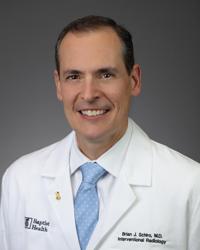
Brian Jason Schiro, MD
Brian J. Schiro, M.D., RPVI, FSIR, is a board-certified vascular and interventional radiologist with dual certification in diagnostic radiology. His clinical focus is on endovascular therapy with minimally invasive treatments for aortic and peripheral vascular disease with Baptist Health Heart & Vascular Care at Baptist Health Miami Cardiac & Vascular Institute. He is also heavily involved in interventional oncology with Miami Cancer Institute. Dr. Schiro specializes in vascular disease with a focus on minimally invasive, image-guided treatments for complex arterial and venous conditions.
Dr. Schiro earned his medical degree from Louisiana State University Health Sciences Center in New Orleans. He completed a preliminary internship in internal medicine at Louisiana State University Health Sciences Center, followed by a diagnostic radiology residency at the University of Pittsburgh Medical Center, where he also served as chief resident. He went on to complete fellowship training in vascular and interventional radiology at Baptist Health Miami Cardiac & Vascular Institute, in affiliation with the University of South Florida.
With extensive clinical experience, Dr. Schiro specializes in complex endovascular procedures and interventional oncology therapies, including image-guided tumor ablation, embolization techniques and advanced arterial and venous interventions. He is known for his collaborative approach to care, working closely with multidisciplinary teams to develop individualized treatment plans tailored to each patient’s needs.
In addition to his clinical practice, Dr. Schiro is deeply involved in education, research and national professional leadership. He serves as the program director of the independent interventional radiology residency at Florida International University Herbert Wertheim College of Medicine and holds academic appointments in Cardiovascular Science at Florida International University. He has authored and co-authored numerous peer-reviewed publications and is a frequent speaker at national and international medical conferences.
Dr. Schiro’s patient care philosophy emphasizes compassionate, patient-centered care that prioritizes trust, clarity and respect for each patient’s individual circumstances. He takes time to listen carefully, helps patients understand what to expect and guides them through complex decisions with honesty and reassurance, so they feel supported and confident throughout their care. Dr. Schiro focuses on minimally invasive treatments to limit pain, enhance recovery, and help patients return to a normal life as quickly as possible.
Dr. Schiro is fluent in English. Outside of work, Dr. Schiro enjoys sailing, traveling, and spending time with his family.

Expert Heart & Vascular Care for Every Heartbeat
Related Stories
View All Articles
Five Things Cardiologists Wish You'd Start Doing in Your 30s
September 29, 2026
4 min. read

From Triple Bypass to Full Speed: One Patient's Seamless Road to Recovery
September 29, 2026
10 min. read
Video
