
Normal Aging or Something More? Memory Changes You Shouldn't Ignore
7 min. read
Baptist Health Brain & Spine Care
Forgetting where you put your keys. Struggling for a moment to recall someone's name. Walking into a room and wondering why you went there.
Occasional lapses like these can become more common with age and, by themselves, don't necessarily signal a serious memory problem. But when changes in memory, thinking or behavior begin interfering with everyday life, they deserve closer attention.
During Alzheimer's Disease Awareness Month in November, neurologists emphasize an important distinction for older adults and their families: Some slowing of memory and thinking can accompany normal aging, but Alzheimer's disease and other forms of dementia are not a normal part of getting older.
"The key question isn't whether someone occasionally forgets something. We all do that," says G. Peter Gliebus, M.D., chief of neurology and director of Cognitive and Behavioral Neurology at Marcus Neuroscience Institute, part of Baptist Health, at Boca Raton Regional Hospital. "What concerns us is a pattern of change — particularly when memory or thinking problems are becoming more frequent, progressing over time or beginning to affect a person's ability to function independently."
What Memory Changes Can Be Part of Normal Aging?
The brain changes with age, just as other parts of the body do. Some people may find that it takes longer to learn new information, recall a word or name, or switch between tasks.
A person might temporarily forget an appointment but remember it later. They may occasionally misplace their glasses or phone but be able to retrace their steps and find them. They may need more time to remember the name of an acquaintance they haven't seen in years.
These experiences can be frustrating, but they generally don't significantly interfere with daily life.
"With normal aging, information may sometimes be slower to come to mind, but the person can usually retrieve it later or benefit from a reminder," says Zack Z. Ramilevich, M.D., neurologist at Marcus Neuroscience Institute, part of Baptist Health. "The more concerning situation is when information is repeatedly lost and reminders don't help, particularly when this represents a clear change from the person's previous abilities."
Everyone has a different baseline. That's one reason physicians look for changes from an individual's previous level of functioning rather than judging memory solely on age.
When Forgetfulness Becomes More Concerning
Memory problems associated with Alzheimer's disease or another cognitive disorder tend to be more persistent and disruptive.
One warning sign may be repeatedly forgetting recently learned information. A person might ask the same question several times within a short period without remembering that it was already answered. They may increasingly rely on relatives, notes or electronic reminders for tasks they previously handled independently.
Other changes may be subtler.
Someone who has managed household finances for decades may begin missing payments or making unusual errors. A familiar recipe may suddenly become difficult to follow. Driving to a frequently visited location may become confusing. A person who routinely manages medications may have trouble remembering which pills to take and when.
"We become particularly concerned when cognitive changes start affecting activities that a person has always been able to manage," Dr. Gliebus says. "Difficulty handling finances, medications, appointments, driving or familiar household tasks can tell us much more than an isolated episode of forgetting a name."
Memory Isn't the Only Sign to Watch
Although Alzheimer's disease is strongly associated with memory loss, changes in other areas of thinking and behavior also can be important.
Language problems, for example, may go beyond occasionally struggling to find the right word. A person may increasingly have difficulty following conversations, expressing thoughts or identifying familiar objects.
Changes in judgment also may emerge. Someone who previously managed money carefully may begin making unusually risky financial decisions or become vulnerable to scams.
Other potential warning signs include becoming confused about time or place, getting lost in familiar surroundings, having difficulty planning or solving problems, or experiencing noticeable changes in personality or behavior.
Family members may sometimes recognize these differences before the individual does.
"Families often tell us, 'This isn't how Mom used to be,' or 'Dad has always been very organized, and now he can't keep track of things,'" Dr. Ramilevich says. "That change from the person's established pattern is important. It doesn't automatically mean Alzheimer's disease, but it is a good reason to discuss the symptoms with a physician."
Not Every Memory Problem Is Alzheimer's Disease
A cognitive change should be evaluated, but families shouldn't assume Alzheimer's disease is the cause.
Numerous medical and lifestyle factors can affect memory and concentration. Poor sleep, depression, anxiety, medication side effects, alcohol use and certain nutritional deficiencies can contribute to cognitive symptoms. Hearing or vision problems can sometimes appear to be cognitive difficulties because the person isn't fully receiving the information around them.
Other medical conditions also can affect thinking and memory.
This is one reason a medical evaluation can be valuable. A physician can review when symptoms started, how they have changed and whether they interfere with everyday activities. The evaluation may include a physical and neurological examination, cognitive testing, blood tests and, when appropriate, brain imaging or additional specialized testing.
"Memory complaints have many possible causes, and some are treatable or reversible," Dr. Gliebus says. "The goal of an evaluation is not simply to determine whether someone has Alzheimer's disease. It is to understand what is causing the change and identify anything we may be able to address."
Why Earlier Evaluation Matters
Families may hesitate to raise concerns because they're afraid of what an evaluation could uncover. Others may assume memory loss is simply an unavoidable consequence of aging.
Waiting, however, can mean missing an opportunity to identify a treatable condition or recognize a neurological disorder earlier in its course.
An earlier diagnosis of Alzheimer's disease or another form of dementia can give patients and families more time to understand the condition, discuss treatment options and make decisions about future care while the person can actively participate.
The Alzheimer's treatment landscape also has evolved. Newer therapies are available for some people in the early stages of Alzheimer's disease, making accurate and timely diagnosis increasingly important. These treatments are not appropriate for everyone and require careful evaluation by specialists.
"People sometimes avoid an assessment because they're worried that nothing can be done," Dr. Ramilevich says. "But knowing the cause matters. An accurate diagnosis can guide treatment, help families plan and connect patients with the appropriate resources and support."
How Families Can Start the Conversation
Talking to a loved one about memory changes can be difficult, particularly if the person doesn't recognize the changes or becomes defensive.
Rather than beginning with labels such as Alzheimer's or dementia, families can focus on specific observations.
For example: "I've noticed you've missed several appointments recently, and that's unusual for you," or, "You seemed confused driving to a place you've been going for years. I think we should mention it to your doctor."
Keeping track of examples also can help physicians understand what's happening. Families can note when symptoms began, whether they're becoming more frequent and which daily activities have changed.
The goal isn't to test or challenge the person at home. It's to recognize patterns and seek professional guidance when appropriate.
Changes That Should Prompt a Conversation With a Physician
Families should consider discussing cognitive changes with a healthcare professional when they are persistent, worsening or interfering with everyday life.
Examples include repeatedly asking the same questions, forgetting recent conversations or events, getting lost in familiar places, having increasing difficulty managing medications or finances, struggling with familiar tasks, or showing significant changes in judgment, language, mood or behavior.
A sudden change is different. New confusion that develops rapidly — particularly over hours or days — requires prompt medical attention because it can be associated with an acute medical problem rather than the gradual progression typically seen with Alzheimer's disease.
Pay Attention to Patterns, Not Isolated Lapses
One forgotten name or misplaced set of keys isn't enough to determine whether someone has a cognitive disorder. What matters more is the overall pattern.
Is the problem new? Is it happening more frequently? Is it getting worse? Is it interfering with independence or affecting activities the person previously handled without difficulty?
"Families don't need to diagnose the problem themselves," Dr. Gliebus says. "Their role is to notice meaningful changes and bring those concerns to a healthcare professional. From there, we can determine whether what they're seeing is consistent with normal aging or whether further evaluation is appropriate."
Dr. Ramilevich adds that concerns about memory shouldn't automatically lead to fear.
"Not every memory change means dementia, but persistent changes shouldn't simply be dismissed as aging," he says. "If something feels meaningfully different from a person's usual abilities, having that conversation with a physician is a reasonable next step."
Featured Providers
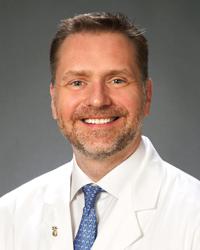
Gediminas Gliebus, MD
G. Peter Gliebus, M.D., is a board-certified neurologist, chief of neurology and director of cognitive and behavioral neurology at Marcus Neuroscience Institute, a part of Baptist Health. He is fluent in English and Lithuanian.
Dr. Gliebus has a subspecialty certification in behavioral neurology and neuropsychiatry, and specializes in the diagnosis and treatment of conditions and diseases involving the central and peripheral nervous system. His clinical interests include Alzheimer’s disease and other neurodegenerative dementias as well as cognitive problems associated with stroke and similar conditions.
Prior to joining Marcus Neuroscience Institute, Dr. Gliebus served as academic chair of the Department of Neurology at Drexel University College of Medicine, chief of neurology and director of the Alzheimer’s Disease and Cognitive Disorder Center at Crozer Keystone Healthcare System, as well as chair of neurology at Global Neurosciences Institute.
Dr. Gliebus earned his medical degree at the Faculty of Medicine of Vilnius University in Lithuania. He completed a neurology residency at Drexel University College of Medicine, serving as chief resident. He also completed a behavioral neurology and neuropsychiatry fellowship at Northwestern University Feinberg School of Medicine.
For several consecutive years, Dr. Gliebus has been recognized as a Castle Connolly Top Doctor. Physicians receiving this peer-nominated honor are best-in-class healthcare providers, embodying excellence in clinical care as well as interpersonal skills.
Through his years of experience, Dr. Gliebus has developed a comprehensive understanding of the challenges that individuals and their families face when dealing with cognitive disorders. He provides compassionate, personalized care to patients, ensuring accurate diagnosis, effective treatment plans and ongoing support throughout their journey. By staying up to date with the latest advancements in the field, he offers the most comprehensive and innovative approaches to improve the quality of life for individuals with cognitive disorders.
Dr. Gliebus is committed to advancing medical knowledge and finding innovative solutions to complex healthcare challenges. He is the principal investigator for several clinical trials related to memory disorders and dementia. During his involvement in Alzheimer's disease treatment trials, he witnessed firsthand the positive impact that a newly approved medication group had on patients and families.
Dr. Gliebus is credited with more than 60 publications and presentations, is an editorial reviewer for various national specialty journals and editor of the book entitled Progressive Cognitive Impairment and Its Neuropathologic Correlates.
As an educator, Dr. Gliebus shares his wisdom with medical students. He finds that the opportunity to teach and mentor others deepens his knowledge and empowers future generations of healthcare professionals. Dr. Gliebus is a fellow of the American Academy of Neurology and member of the Society for Behavioral and Cognitive Neurology and the Alzheimer’s Association.
He likes to be active during his free time, engaging in physical activities such as running, hiking and other sports. He enjoys exploring new destinations, tasting exotic cuisines and learning about the history and culture of the places he visits. He is also an avid reader, favoring intriguing mysteries and history books.

Zack Ramilevich, MD
Zack Z. Ramilevich, M.D., is a board-certified neurologist at Marcus Neuroscience Institute, part of Baptist Health. He provides comprehensive care for adults with a wide range of neurological conditions and has experience treating headache disorders, dementia, stroke, neuropathy, Parkinson’s disease, autoimmune neurological conditions and adult epilepsy.
Dr. Ramilevich is committed to providing holistic and patient-centered neurological care. He believes that a strong therapeutic alliance is the foundation of successful treatment. By listening carefully and taking the time to explain complex neurological conditions in clear, understandable terms, he helps patients feel informed and supported. His approach combines evidence-based medical management with personalized care strategies to ensure each patient receives treatment tailored to their needs and goals.
He earned his medical degree from the Charles E. Schmidt College of Medicine at Florida Atlantic University in Boca Raton. He then completed an internal medicine internship followed by a neurology residency at the University of Florida College of Medicine – Jacksonville. During residency, he was selected to serve as administrative chief resident, reflecting his leadership and commitment to excellence in clinical care and education.
In addition to caring for patients, Dr. Ramilevich is dedicated to advancing the field of neurology through ongoing learning and research. He has participated as a sub-investigator in multiple clinical studies focused on conditions such as multiple sclerosis, myasthenia gravis, multifocal motor neuropathy and seizure disorders. He also has delivered educational lectures on stroke prevention, Alzheimer’s disease and migraine therapies.
He is fluent in English and Russian.
Outside of work, Dr. Ramilevich enjoys mountain biking, world travel and playing tennis.

Advanced Brain & Spine Care You Can Trust
Related Stories
View All Articles
Waking Up at 3 a.m.? A Sleep Expert Explains Why It Happens and When to Be Concerned
November 6, 2026
7 min. read

